Pattern Analysis · PURSUE coverage
Nuclear Sites and Unidentified Objects: What the PURSUE Files Establish, 1948–2026
Updated July 7, 2026 · Alan E. Keene
The pattern, stated carefully
Across the PURSUE releases, one correlation keeps resurfacing: records involving unidentified objects cluster around nuclear weapons facilities. The claim is easy to sensationalize and easy to dismiss, so this analysis does neither — it lists what the published records actually contain, then weighs the pattern honestly.
The records
Sandia Base, 1948–1950 (DOW-UAP-D017). 116 pages of security correspondence documenting 209 sightings near the nation's primary weapons assembly site, including a 72-hour cluster of green-fireball reports directly over weapon storage areas. Our full reading is here.
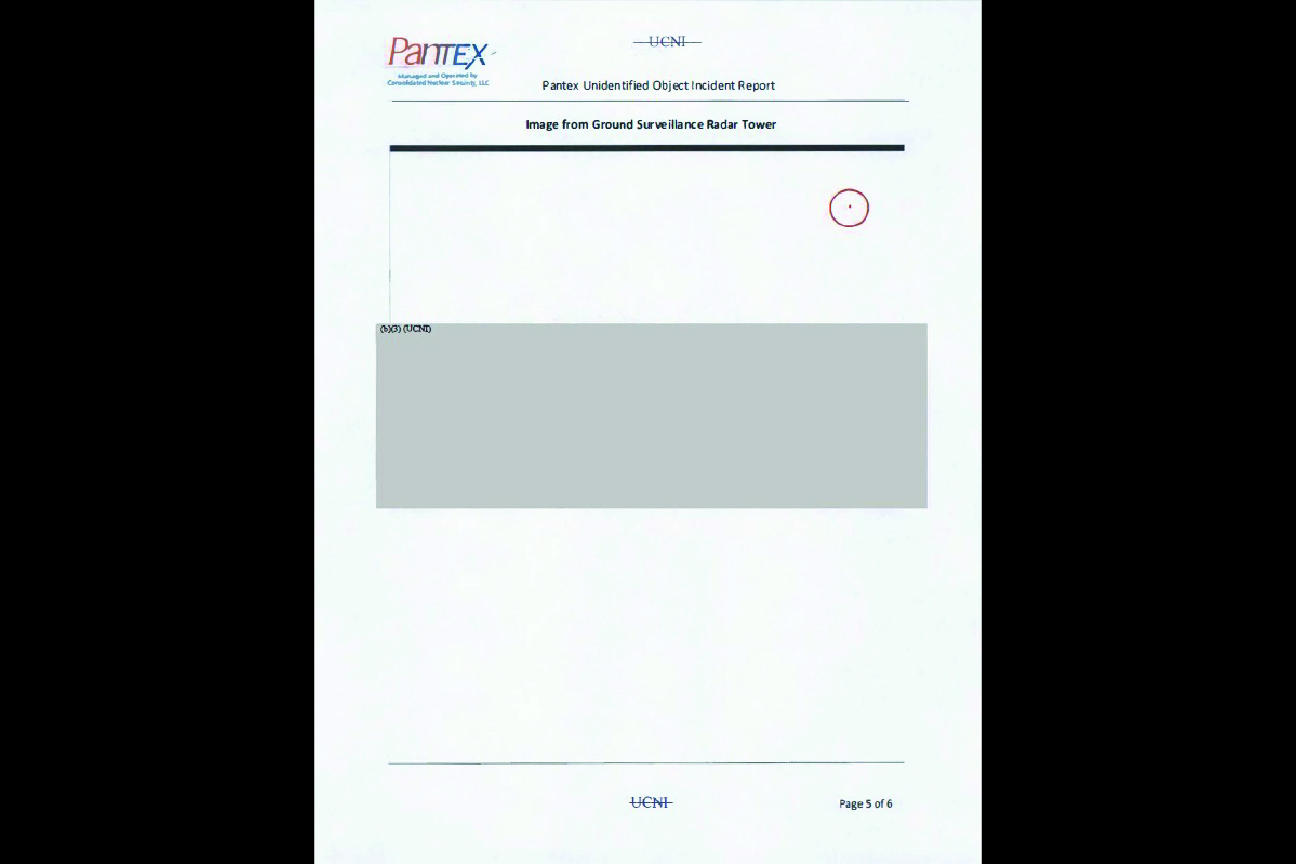
Pantex Plant, 2020s (DOE-UAP-D001). Radar-tower imagery from the Department of Energy's primary weapons assembly facility — Sandia's institutional successor — published in Release 02, showing unidentified returns over the plant's secure zones. That the DOE contributed a UAP record about Pantex at all is the notable fact; the imagery itself is sparse.
The Blue Book echo (AARO-UAP-V001). AARO's audit of Project Blue Book's Volume 14 notes geospatial concentration of 1950s sightings near Atomic Energy Commission facilities — the same correlation, observed in a different dataset by a different generation of analysts. Our reading of the audit is here.
Why the pattern might be real — and why it might be an artifact
The case for significance is straightforward: independent record sets, spanning eight decades and three custodial agencies, keep finding unexplained objects over the same category of site. The case for caution is equally straightforward, and it has a name: surveillance bias. Nuclear facilities are the most-watched, best-instrumented, most report-obligated locations in the country. Guards are required to file reports; radars run continuously; anomalies that would go unnoticed over farmland generate paperwork over Pantex. A pattern in reports is not automatically a pattern in visits.
The honest test would be a comparison the public record does not yet allow: anomaly rates at nuclear sites versus comparably instrumented non-nuclear sites. Until some release provides that baseline, the pattern remains suggestive rather than established — and we note that the government's own analysts, in the Blue Book audit, recorded the correlation without claiming to explain it.
What earlier coverage overstated
Some circulating analysis — including an earlier version of this article — described a DOE "75-year quiet release window" and multi-year hovering surveillance over Pantex's Zone 12 as established findings. We cannot match those claims to the published records and have removed them. The pattern is interesting enough without decoration.
Our read
Our read: the nuclear correlation is the single most consistent thread in the PURSUE archive, and it was documented by security officers before "UFO" was a household word. (Confirmed by the records.) We judge surveillance bias explains part of it but probably not the 1948 cluster's intensity — security officers at one site filing 209 reports in two years is anomalous even for a heavily watched perimeter. (Our speculation, held loosely.) If Release 04 contains further DOE material, this is the pattern to test it against.
Related records & reading
The Sandia file, read in full · AARO's Blue Book audit · Case file: Lake Huron · What is PURSUE? · Browse all records in the archive ↗